Buying Guide · equipment selection
Agricultural sprayer nozzles: decide the duty before the price
Tie a nozzle request to crop conditions, application rate, working pressure and the installed body. Buying a tip by color or appearance alone leaves important configuration questions unanswered.
Open the farm sprayer catalog →An illustrative selection problem
The cheaper tip can change the comparison
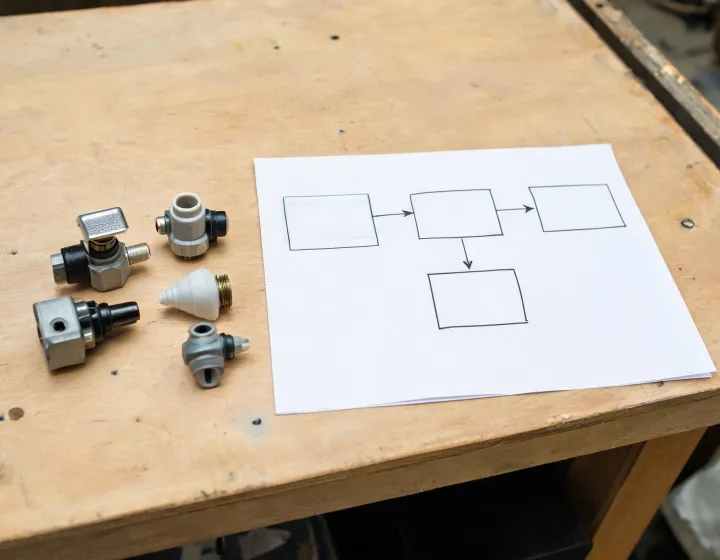
A farm buyer preparing a seasonal spare order receives two offers described simply as replacement nozzles. One reply includes tips and strainers; another lists a complete body. Before discussing unit price, the buyer should ask both factories to identify the supplied components, connection, material and quantity basis. This is a procurement example, not a report of a completed order.
Keep the requested duty and supplied assembly on the same line of the comparison.
Record tank capacity, flow, pressure and application rate alongside boom width, nozzle spacing and working speed. Ask the maker for its nozzle flow chart and the operating conditions underlying each selection. The comparison result is a documented set of assumptions and open questions; it is not approval for every crop or chemical.
Budget-oriented choices can reduce initial outlay when the required scope is clearly defined. A higher-priced option may include a different material, control feature or support package, but price alone does not establish durability or performance. State an optional target budget, its currency and whether it covers individual tips, complete assemblies or the whole order. Keep dealer support and warranty handling visible even when the equipment is sourced directly from a factory.
Checks that make nozzle offers useful
What should stay fixed across nozzle quotations?
Use the same required application rate, working pressure, nozzle spacing and travel-speed basis. Specify the nozzle body or connection and whether the offer includes tips, seals, strainers and caps. Request the exact model identifier and the relevant flow chart revision; do not assume two similar-looking parts are interchangeable.
How should droplet and drift questions be handled?
Ask the supplier to explain the proposed nozzle's documented operating range and the application conditions used for its recommendation. A changed pressure or formulation may change the result. Product selection must also account for the intended chemical instructions and local operating requirements. We do not promise a drift result or prescribe a chemical application.
How can a sample check support the decision?
Agree a sample quantity and its charges first. Check body fit, seal placement and assembly dimensions. For a function check, record the maker's test procedure, fluid, pressure and measured output with the model identification. Compare the result with the supplied chart and ask about deviations. A sample result under one condition does not validate all field conditions.
When does a ground-boom comparison stop being useful?
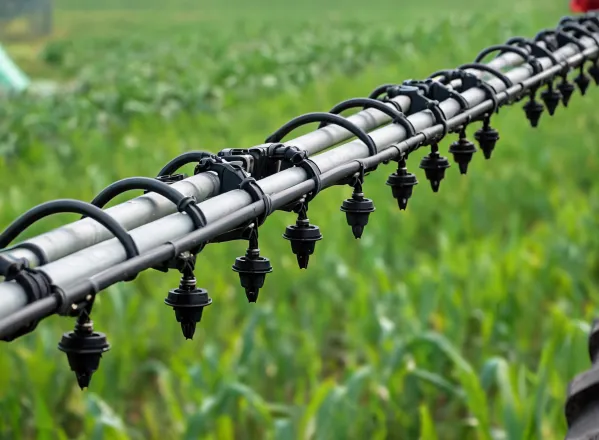
A ground boom depends on tractor access, boom arrangement and clearance. A drone has different payload, refill and power constraints, so its nozzle and rate assumptions cannot simply be copied. Compare complete operating scopes before changing method; request product-specific instructions and confirm applicable operator and destination requirements.
Build a visual parts record
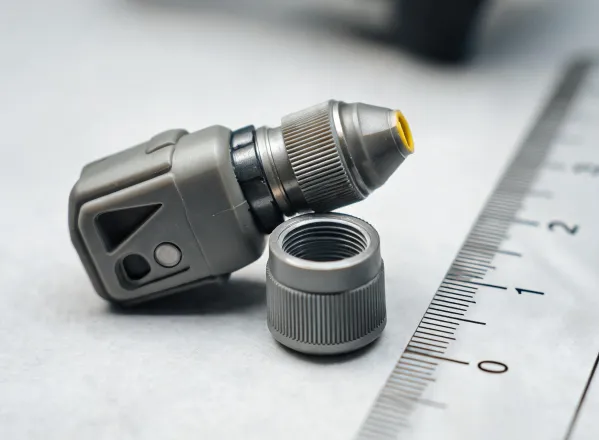
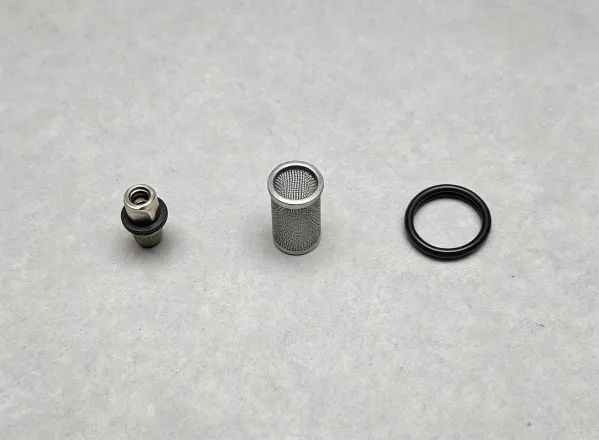
Use the procurement checklist to record open questions and submit your selection brief. Product-family references such as sprayers and applicators frame terminology only; quoted product documents must come from the actual supplier.
Compare the nozzle duty and the supplied kit.
Share the connection, operating conditions, quantity and destination. Add optional budget and supplier preferences so sourcing discussions reflect the equipment and support trade-offs you want to consider.